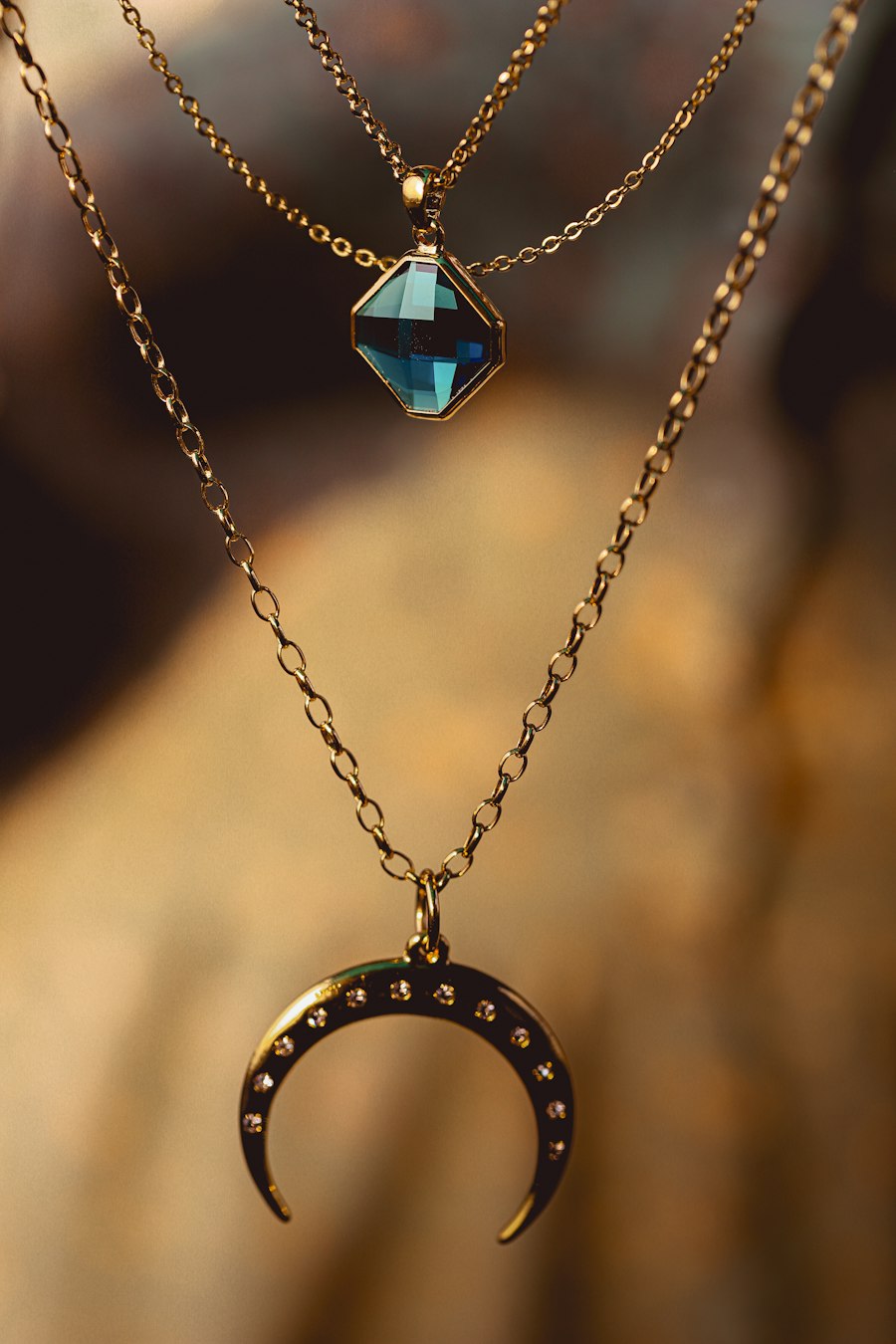
Walk into any vintage stall and you will find them: thin, tarnished lockets hanging on thin chains, their hinges stiff, their internal photo frames empty. They meant something once. They just stopped being worn. When clients ask us to design a bespoke pendant that holds something close to the chest, we talk about why the old ones failed, and how to build one that leaves the box every morning.
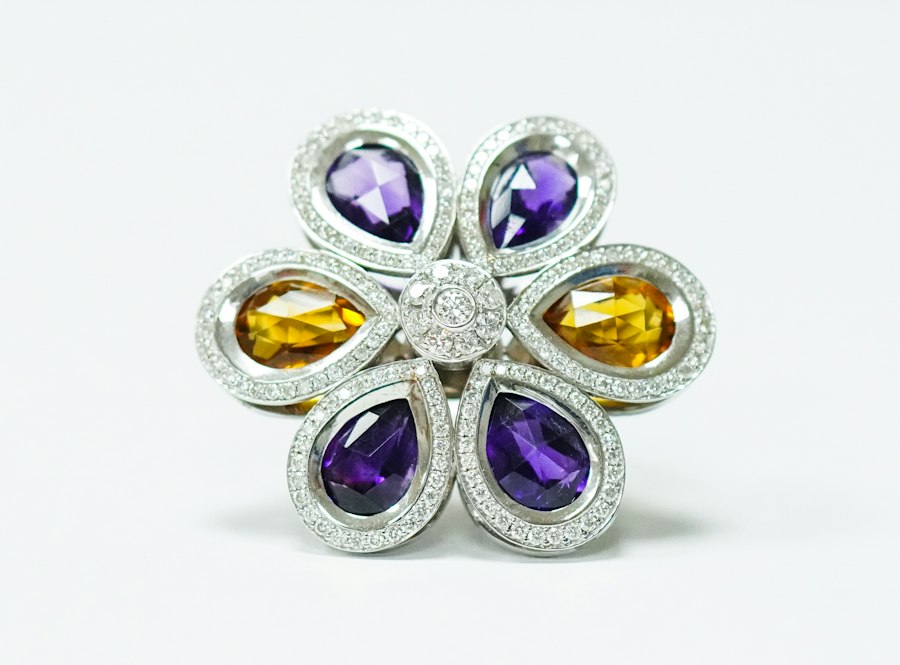
A locket is not a normal pendant. It has a hinge, a catch, an interior chamber, and two small photo recesses. Each of those parts is a place where a poorly made locket fails. The hinge loosens. The catch pops open in a handbag. The photo bubbles from humidity. The edge digs into the collarbone. Our job is to solve all of it before the design is approved, not after the client wears it for a month.
Start with what you actually want to carry
People arrive at the bench with half-formed ideas. A lock of hair from a child's first haircut. A folded scrap of a handwritten note. A miniature photograph that already sits in a frame on the dresser. Sometimes it is none of those things: it is simply the symbolism of a chamber, empty, that means this is mine. The design changes completely depending on the answer.
A piece meant to hold hair needs a sealed inner compartment so the contents do not escape when the locket opens. A piece meant to hold a photograph needs recesses cut to the exact dimensions of that photo, printed on stable, moisture-resistant paper. A purely symbolic locket can be thinner, flatter, and more comfortable, because there is nothing inside to fit around. Measure the keepsake before we sketch. If you bring us an existing photograph, we scan it at high resolution and print the inset in the studio. If it is a fingerprint or a child's drawing, we treat it like any other engraving source. The most common mistake we see is designing a beautiful locket first and trying to force the memento into it afterward.
Shape, chain, and daily life
Oval is the traditional locket shape for a reason. It sits cleanly against the sternum and does not catch on clothing. But it is not the only honest option. Square lockets read modern and architectural. Rounds read softer and more vintage. Freeform pebble shapes read organic and almost geological. We have made all three. The constraint we always raise is the same: however it looks, it must lie flat when you lean over a desk, and it must not flip around on the chain.
Chain length matters more than people expect. A locket that sits too high bangs against the collarbone. A locket that sits too low swings and pulls. For most clients, a 20 to 22 inch chain on a pendant-sized locket is the comfortable default, adjustable at the clasp. For someone who wears collared shirts, a slightly shorter length keeps the piece visible above the collar line. For someone who lives in knitwear, a longer chain avoids friction against the neckline all day.
The mechanics we refuse to cut corners on
A good locket hinge is hand-fitted. The two halves of the barrel are milled so the knuckles line up without play. A cheap hinge loosens within a year; a fitted hinge opens and shuts with the same small click for decades. The catch is equally important. We use a small box catch rather than the old push-button style, because push buttons wear out and open accidentally. On larger pieces we also add a thin security link between the halves, so that if the catch ever fails, the locket does not spill its contents onto the sidewalk.
Inside, the photo recesses are lined and covered with a clear, scratch-resistant surface that can be cleaned with a soft cloth. We tell clients not to store sentimental paper photographs in humidity-prone rooms, and we print two copies so a replacement is already waiting at home.
Who this piece is for
A bespoke locket is a quiet piece. It is not a statement necklace. It is for someone who wants meaning against their chest without announcing it. It works beautifully as a family-focused piece, holding a child's photo on one side and a grandparent's on the other. It also works as a memorial piece, holding a small amount of ashes or hair in a sealed chamber when a larger heirloom restoration is not the right fit.
The lockets we are proudest of are the ones clients bring back ten years later for a polish, still on the same chain, still opened and shut every morning. That is the standard we design toward: not a piece you keep in a drawer, but one you forget you are wearing until someone asks what is inside.