A client brought us a 1998 wedding band last year: the shank was worn thin on one side, the centre stone sat crooked, and she had not worn it in six years because it now felt too tight and too plain. She did not want a new ring. She wanted that ring, fixed and refreshed for the twentieth anniversary. That is the brief behind most anniversary redesigns: keep the meaning, update the wearing.
Start with the stone, not the metal
The centre diamond or sapphire is usually the part worth keeping. We weigh it, measure it, and check the girdle under 10x magnification for chips the old setting may have been hiding. A stone over 0.5 ct that is already in a worn setting is nearly always cheaper to reset than to replace at today's prices. Compare this with our notes on upcycling an inherited stone into a new ring; the logic is the same, only the emotional weight is different.
If the stone is heavily included or chipped along an edge, we may suggest recutting it by 5-10% to remove the damage. A 1.00 ct stone that recuts to 0.85 ct looks cleaner and sells for more on resale than a chipped 1.00 ct. We show both options in writing before any work begins.
Ways to redesign the band itself
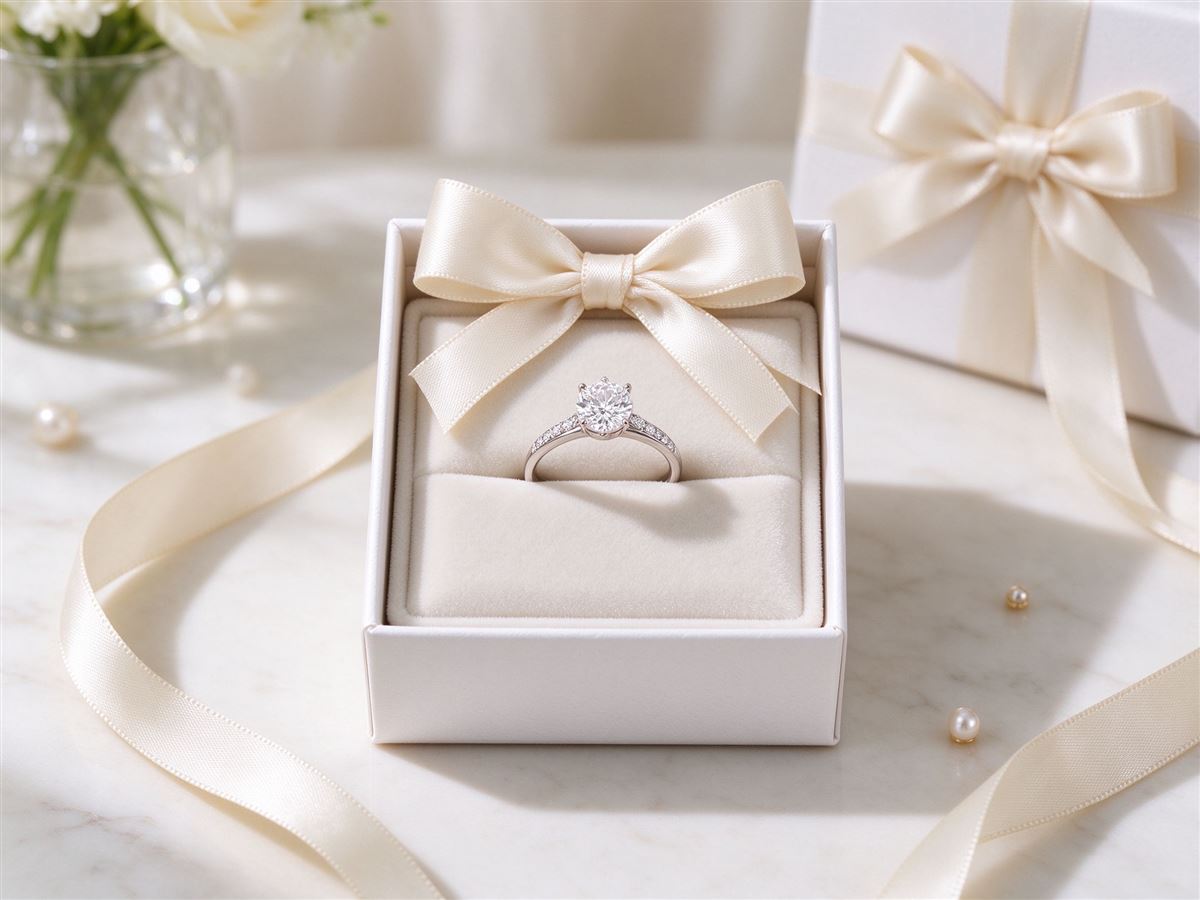
There are six directions clients usually land on. First, reset the same stone into a new setting: move a solitaire from a 2 mm thin band into a 2.5 mm comfort-fit shank with low-profile prongs. Second, add anniversary stones: three small melee diamonds on each shoulder for the tenth, five for the fifteenth, and so on. Third, widen the shank by building gold onto the existing band rather than recutting it. Fourth, change the colour: overlay 18k rose gold on a yellow gold inside, or rhodium-plate a yellow ring to white for a modern look. Fifth, flip the layout: turn a vertical solitaire into an east-west horizontal stone, which feels new without a new stone. Sixth, melt the old gold and recast it into a band that incorporates the original metal by alloy percentage.
When we melt down old jewellery, expect a refining loss of roughly 4-6% by weight. A 5.0 g 18k band comes back as about 4.7 g of usable metal after skimming. We tell clients this up front so the new band weight is quoted honestly. Read our guide on anniversary traditions by year if you want the redesign to land on the symbol for your specific milestone.
What it costs and how long it takes
A reset into a new solitaire head usually lands between $350 and $650 in labour, plus the new gold or platinum. Adding six shoulder stones adds roughly $180-$400 depending on melee size. A full melt-and-recast redesign with the same stone runs four to six weeks from approved sketch, which is faster than a from-scratch commission because the stone is already chosen. We cover the realistic timeline in our bespoke order lead time guide.
We also keep the original CAD on file, so a later resize or a matching band for a renewal ceremony starts from the same model. If the old ring came with any paperwork, bring it. A 1998 diamond without a certificate can still be reset, but we will grade it in-house and note the result on the new invoice, consistent with the FTC Jewelry Guides on disclosure of diamond treatment and grading.
FAQ
Can I redesign the ring without melting the original gold?
Yes. Most resets keep the old stone and cast a new band in matching metal. Melting is optional and usually chosen when the client wants the literal gold of the old ring in the new piece. We show both quotes.
What if the stone is too damaged to reset?
We may suggest recutting it, using it as a side stone on a pendant, or replacing it with a comparable stone and setting the old one into earrings. The stone is not wasted; it moves to a piece that suits its condition.
Does a redesigned anniversary ring lose sentimental value?
Most clients tell us the opposite. The ring goes back on the hand, which is where the sentiment lives. We photograph the before piece and keep it in the commission file, so the story is documented either way.
Can we add both our wedding rings into one new piece?
Yes. A common commission is to melt both bands and recast one wider anniversary ring, or to set the original two stones side by side. We calculate the alloy compatibility first because mixing 14k and 18k gold requires a re-alloy step.
Want to bring the old ring in for a redesign quote? Book a free 20-minute sitting. Bring the ring, any certificates, and a photo of the style you are aiming for. We will weigh the gold, check the stone under magnification, and quote three redesign directions in writing within 48 hours. Trade retail partners: our anniversary redesign white-label sheet gives your staff the same decision tree we use in-house.